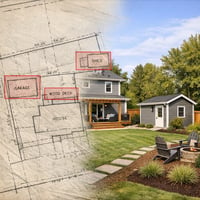

Land surveys are the starting point of most real estate due diligence, providing information about...
What the New 2026 ALTA/NSPS Standards Mean for You
The ALTA/NSPS Land Title Survey is one of the most important tools in the title industry toolbox, for title professionals, realtors, attorneys, lenders, and commercial buyers. The ALTA/NSPS Land Title Survey protects you against risk, clarifies the facts on the ground, and helps to ensure title insurance can be issued.
Every five years ALTA and NSPS revise the standards to reflect today's real estate industry. The most recent update to the standards is effective on February 23, 2026, making the surveys more uniform, more transparent, and more aligned with today's transaction requirements.
This article discusses these changes and what they mean for all parties in the commercial real estate space.
Why the 2026 Update Matters to All Real Estate Professionals
The 2026 ALTA/NSPS Minimum Standard Detail Requirements aren’t a dramatic overhaul. Instead, they’re a thoughtful refinement of the 2021 standards—tightening definitions, clarifying responsibilities, and improving the quality of information delivered to title insurers, attorneys, realtors, and clients.
For Title Companies
• More consistent survey deliverables
• Clearer depiction of easements and encroachments
• Fewer exceptions that require clarification
For Attorneys
• Stronger documentation for legal descriptions and access rights
• Better alignment between record documents and field evidence
• Reduced ambiguity in boundary and easement interpretation
For Realtors
• Fewer surprises during due diligence
• Clearer understanding of site conditions that may affect value or feasibility
• A smoother path to closing
For Lenders
• More reliable data for underwriting
• Better risk mitigation
• Clearer Table A options for tailoring survey scope
For Buyers & Developers
• More accurate site information
• Better visibility into encroachments, access, and improvements
• A more predictable closing timeline
1. A Clearer Purpose and Scope
The updated Purpose section now more explicitly states what an ALTA survey is meant to accomplish:
• Identify matters that affect the title
• Document features discoverable through fieldwork
• Provide a reliable foundation for title insurance coverage
Why this matters:
• Title companies get a survey that aligns more closely with underwriting needs.
• Attorneys receive clearer documentation for legal review.
• Realtors and buyers benefit from fewer last-minute surprises.
2. Updated Definitions for Better Clarity
The 2026 standards refine several key definitions, including:
• Observed Evidence of Possession
• Right of Way
• Utilities
• Surveyor’s Certification
Why this matters:
Clearer definitions reduce interpretation differences between surveyors, which means:
• More predictable survey outcomes
• Fewer disputes between parties
• Easier review for attorneys and title examiners
3. Stronger Fieldwork Requirements
Section 5—the fieldwork section—received several improvements. Surveyors now have clearer guidance on documenting:
• Boundary monuments
• Access points and rights of way
• Encroachments and overlaps
• Water features and flood-related elements
• Visible evidence of easements or use
Why this matters:
• Title companies get better evidence for clearing exceptions.
• Attorneys gain stronger support for access, easement, and boundary opinions.
• Realtors and buyers get a more accurate picture of the property’s condition.
4. Improved Plat/Map Requirements
Section 6 clarifies how surveyors must depict:
• Record vs. measured dimensions
• Easements (including blanket easements)
• Building outlines and improvements
• Setbacks, parking, and site features
Why this matters:
• Attorneys can more easily compare the survey to legal descriptions.
• Title companies can more confidently insure over easements and improvements.
• Realtors and buyers get a clearer visual understanding of the site.
5. Better Guidance on Records Research
The 2026 update strengthens expectations for reviewing:
• Title commitments
• Recorded documents
• Legal descriptions
• Conflicts between field evidence and record data
Why this matters:
• Title companies benefit from fewer missing or misinterpreted documents.
• Attorneys get a more reliable foundation for legal opinions.
• Realtors and buyers experience fewer delays caused by document discrepancies.
6. Table A: More Precise Optional Responsibilities
Table A—the menu of optional items—has been refined to reduce ambiguity. Updates include:
• Clearer utility-related options
• Better defined zoning items
• More precise language for building height, flood zones, and off-site easements
Why this matters:
• Lenders can tailor surveys to underwriting needs more effectively.
• Attorneys get clearer zoning and utility information when needed.
• Realtors and buyers can choose options that match the complexity of the deal.
7. Clearer Division of Responsibilities
The 2026 standards more clearly outline what the client must provide (title documents, legal descriptions, Table A selections) and what the surveyor must independently verify.
Why this matters:
• Attorneys and title companies know exactly what to deliver to the surveyor.
• Realtors and buyers understand what information they need to gather early.
• Surveyors can avoid delays caused by missing documents.
8. Effective Date
All surveys initiated on or after February 23, 2026 must comply with the new standards.
What All Real Estate Professionals Can Expect from a 2026 ALTA Survey
✔ A more consistent product
Surveyors across the country will be working from clearer, more uniform requirements.
✔ Better alignment with title insurance needs
The updated Purpose and research requirements ensure the survey supports underwriting more effectively.
✔ Fewer surprises
Clearer definitions and improved fieldwork/plat requirements reduce the risk of missing or ambiguous information.
✔ A smoother closing process
With fewer discrepancies and clearer expectations, the survey becomes a more reliable tool for due diligence.
✔ More control through Table A
Refined optional items help tailor the survey to the transaction’s complexity.