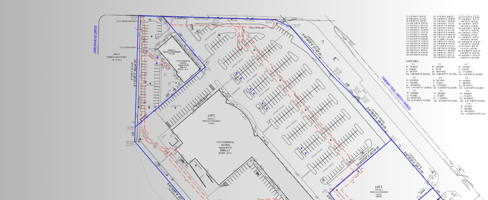

The ALTA/NSPS Land Title Survey is one of the most important tools in the title industry toolbox,...
Elevation Certificates: Understanding Flood Risk and Insurance Implications
Elevation Certificates: Understanding Flood Risk and Insurance Implications
2:35
Flooding ranks among the costliest and most frequent disasters in the United States. Yet, property owners are often surprised that a few feet of water can dramatically increase risk and premiums.
ECs are critical for real estate and insurance professionals to advise clients on coverage, regulatory compliance, and the potential value of an insurance policy.
What an Elevation Certificate Does
An Elevation Certificate is a form used by the Federal Emergency Management Agency (FEMA) and insurers to estimate a building's elevation and compare it to the base flood elevation in the community.
It is the distance above or below flood levels of the structure, providing the data basis for determining the necessity and the cost of flood insurance.
The certificate includes the following:
- Building location and flood zone designation
- Base flood elevation (BFE) data
- Minimum floor and structure height
- Community floodplain management information
The measurements not only allow for more accurately priced flood policies, but also provide property owners with a clearer picture of risk.
Why Elevation Certificates Matter
An EC provides lenders, insurers, and buyers with a more complete picture than raw property data. Properties located in SFHAs must have flood insurance for loans underwritten by the Federal Government, and the EC certifies that the lender's and owner's interests are protected.
This exemption sometimes applies to properties that are not in higher-risk areas, but have a valid EC:
- Lower insurance premiums for homes that are above the mapped floodplain.
- Confirm regulatory compliance during building or renovation efforts.
- Support appeals to FEMA if a property is inadvertently placed in a flood zone.
By defining their actual elevation, the ECs reduce uncertainty and therefore prevent overpayment or under-coverage.
When Professionals Should Recommend One
- In property transactions involving flood zones or waterfront areas.
- Before new construction or substantial improvements (in regulated areas).
- When insurance rates seem unexpectedly high or when flood zone maps have changed.
Even locations previously not prone to flooding may be affected, as changes in weather patterns or FEMA maps can alter flood-zone delineation.
The Takeaway
An Elevation Certificate is not just for insurance, but is also a critical risk management and financial protection tool for your property.
Being informed about these documents and knowing how and when to use them can enable real estate agents to better help their clients make decisions.